Vehicle emissions are more than just smoke from your exhaust—they directly impact engine performance, fuel efficiency, and the environment. Whether you operate a personal vehicle or manage a fleet of heavy-duty trucks, proper emission diagnostics and timely repairs are essential to ensure compliance, reliability, and cost savings.
In this comprehensive guide, we’ll explore everything you need to know about emission diagnostics and repairs, including how emission systems work, common problems, warning signs, diagnostic processes, and the benefits of professional servicing.
What Are Vehicle Emissions?
Vehicle emissions are gases and particles released into the air from your engine’s combustion process. These emissions include:
- Carbon Monoxide (CO)
- Nitrogen Oxides (NOx)
- Hydrocarbons (HC)
- Carbon Dioxide (CO₂)
- Particulate Matter (PM)
Modern vehicles are equipped with advanced emission control systems designed to minimize harmful pollutants and meet environmental regulations.
Importance of Emission Diagnostics
Emission diagnostics play a crucial role in identifying issues within your vehicle’s exhaust and fuel systems. Ignoring emission problems can lead to:
- Increased fuel consumption
- Reduced engine performance
- Failed emission tests or inspections
- Costly repairs if issues worsen
- Environmental damage
Regular diagnostics ensure your vehicle runs efficiently while staying compliant with government regulations.
Key Components of the Emission System
Understanding the major components of your vehicle’s emission system helps in identifying potential issues:
1. Oxygen (O2) Sensor
Measures the amount of oxygen in exhaust gases and helps maintain the correct air-fuel mixture.
2. Catalytic Converter
Converts harmful gases into less harmful substances before they exit the exhaust.
3. Exhaust Gas Recirculation (EGR) Valve
Reduces nitrogen oxide emissions by recirculating a portion of exhaust gases.
4. Diesel Particulate Filter (DPF)
Captures soot and particulate matter from diesel engines.
5. Evaporative Emission Control System (EVAP)
Prevents fuel vapors from escaping into the atmosphere.
6. Mass Air Flow (MAF) Sensor
Measures the amount of air entering the engine for optimal combustion.
Common Emission Problems
Over time, emission system components can wear out or fail. Here are some common issues:
Faulty Oxygen Sensor
Leads to incorrect fuel mixture, poor mileage, and higher emissions.
Clogged Catalytic Converter
Reduces engine efficiency and can cause overheating.
EGR Valve Failure
Results in increased NOx emissions and engine knocking.
DPF Blockage
Common in diesel vehicles, causing reduced performance and warning lights.
EVAP System Leaks
Triggers check engine light and allows fuel vapors to escape.
Warning Signs of Emission Issues
Recognizing early symptoms can save you from expensive repairs:
- Check engine light is on
- Decreased fuel efficiency
- Rough idling or engine misfires
- Strong exhaust smell
- Excessive smoke from exhaust
- Failed emission or pollution test
If you notice any of these signs, it’s important to get your vehicle inspected immediately.
Emission Diagnostics Process
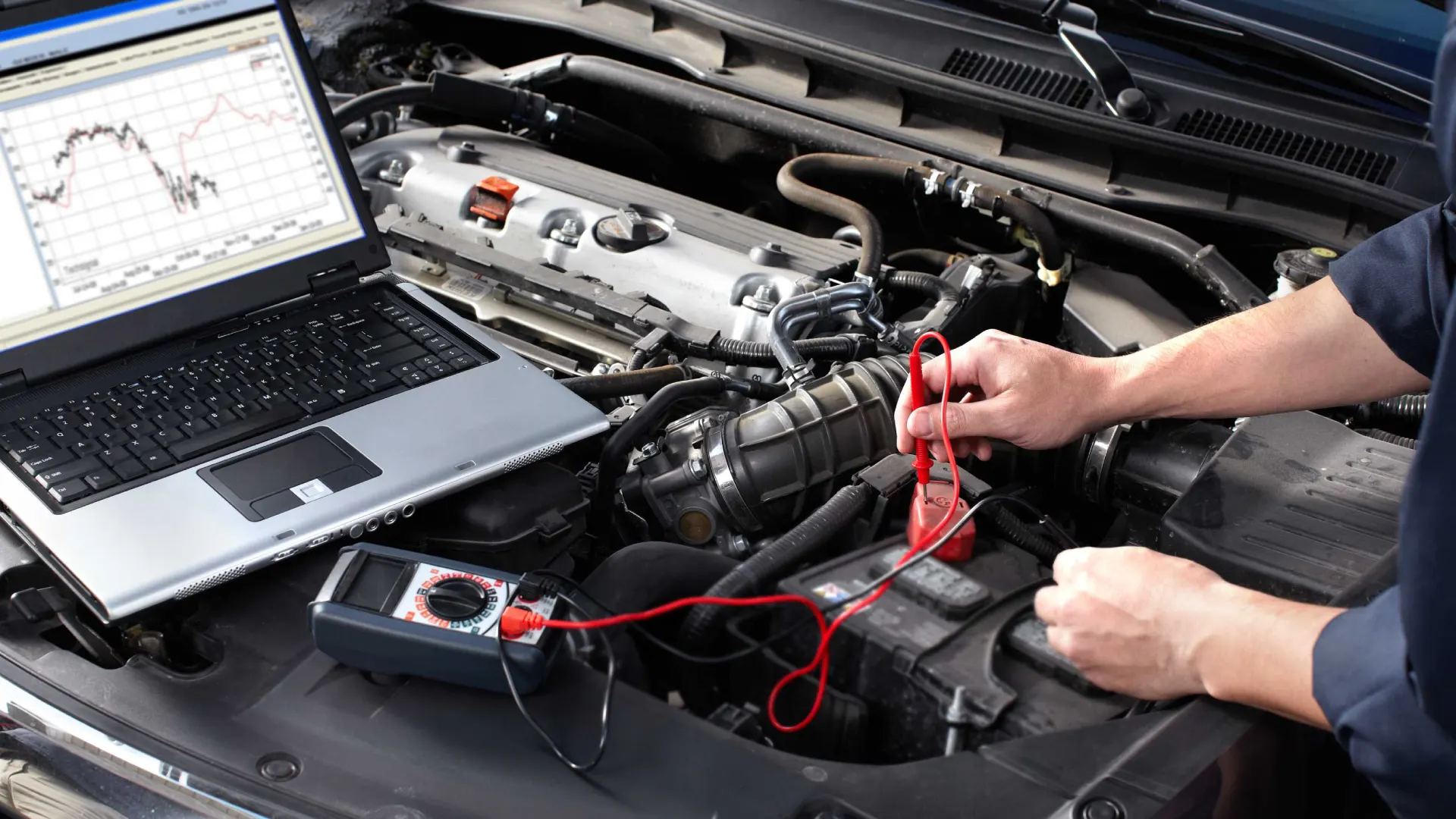
Professional emission diagnostics involve a systematic approach to identify and resolve issues:
Step 1: OBD-II Scan
Technicians use diagnostic tools to read error codes from the vehicle’s onboard computer.
Step 2: Visual Inspection
Checking hoses, connections, and components for wear or damage.
Step 3: Sensor Testing
Evaluating sensors like O2, MAF, and temperature sensors for accuracy.
Step 4: Exhaust System Check
Inspecting catalytic converters, mufflers, and pipes for blockages or leaks.
Step 5: Smoke Testing
Used to detect leaks in the EVAP system.
Step 6: Performance Testing
Ensuring all components function correctly under real operating conditions.
Emission Repair Solutions
Once the issue is identified, technicians perform targeted repairs, such as:
- Replacing faulty sensors
- Cleaning or replacing the catalytic converter
- Repairing or replacing EGR valves
- DPF cleaning or regeneration
- Fixing EVAP leaks
- Updating engine control software
Timely repairs not only restore compliance but also improve vehicle performance.
Benefits of Emission Diagnostics & Repairs
Improved Fuel Efficiency
A well-maintained emission system ensures optimal fuel combustion.
Enhanced Engine Performance
Smooth engine operation with reduced strain on components.
Lower Repair Costs
Early detection prevents major system failures.
Environmental Protection
Reduced harmful emissions contribute to cleaner air.
Regulatory Compliance
Avoid fines and penalties by meeting emission standards.
Emission Standards & Regulations
Governments worldwide have strict emission regulations to control pollution. Vehicles must meet these standards during inspections.
Failure to comply can result in:
- Fines and penalties
- Registration suspension
- Restricted vehicle usage
Regular diagnostics ensure your vehicle stays within legal limits.
Diesel vs. Gasoline Emission Systems
Diesel Vehicles
- Use DPF and Selective Catalytic Reduction (SCR) systems
- Produce more particulate matter
- Require regular regeneration cycles
Gasoline Vehicles
- Use catalytic converters and O2 sensors
- Produce fewer particulates
- Easier maintenance compared to diesel systems
Both systems require regular diagnostics for optimal performance.
Preventive Maintenance Tips
Keeping your emission system in top condition requires proactive care:
- Schedule regular inspections
- Use high-quality fuel
- Replace air filters regularly
- Avoid ignoring warning lights
- Drive at highway speeds occasionally (for DPF regeneration)
- Follow manufacturer service intervals
Preventive maintenance reduces the risk of major emission issues.
Why Choose Professional Emission Services?
While some minor issues can be identified by vehicle owners, professional diagnostics offer:
- Advanced diagnostic tools
- Experienced technicians
- Accurate problem identification
- Long-term repair solutions
- Compliance assurance
Attempting DIY fixes without proper knowledge can lead to further damage.
Emission Testing: What to Expect
During an emission test, your vehicle undergoes:
- Exhaust gas analysis
- OBD system checks
- Visual inspection of emission components
If your vehicle fails, repairs are required before retesting.
Cost of Emission Repairs
The cost varies depending on the issue:
- Sensor replacement: Low to moderate cost
- Catalytic converter replacement: High cost
- DPF cleaning: Moderate cost
- EVAP repairs: Variable cost
Regular diagnostics help minimize unexpected expenses.
Future of Emission Control Technology
The automotive industry is rapidly evolving with advancements like:
- Electric and hybrid vehicles
- Advanced catalytic systems
- Real-time emission monitoring
- AI-based diagnostics
These innovations aim to reduce environmental impact while improving efficiency.
Conclusion
Emission diagnostics and repairs are essential for maintaining your vehicle’s performance, efficiency, and compliance with environmental standards. Ignoring emission issues can lead to costly repairs, poor fuel economy, and legal complications.
By investing in regular diagnostics and professional repairs, you ensure your vehicle runs smoothly, safely, and responsibly. Whether you drive a personal car or manage a fleet, keeping your emission system in top condition is not just a requirement—it’s a smart and sustainable choice.
